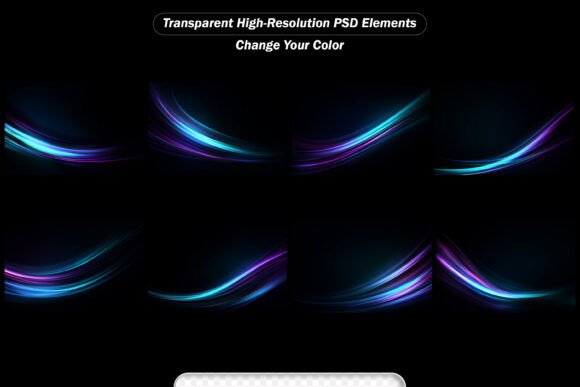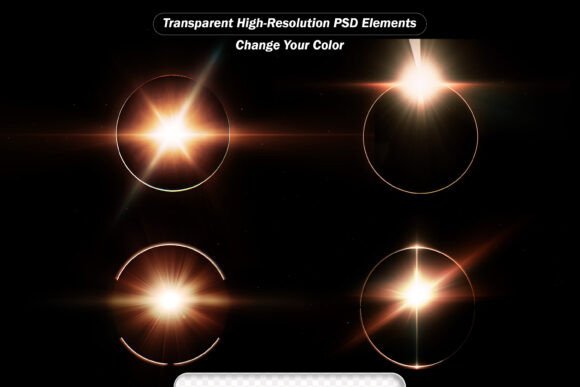
Transparent Background with Flowing Part: A Strategic Tool for Creative and Professional Success
In the world of digital design and visual storytelling, the ability to create compelling, high-quality visuals is essential. One powerful yet often overlooked element in this process is the use of Transparent Background with Flowing Part. This technique allows designers and creators to layer elements seamlessly, enhancing depth, realism, and visual impact without compromising clarity or quality.
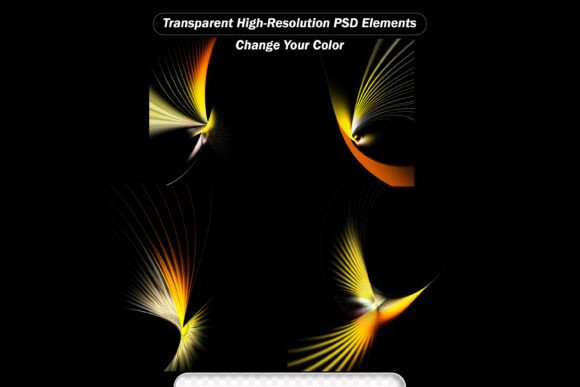
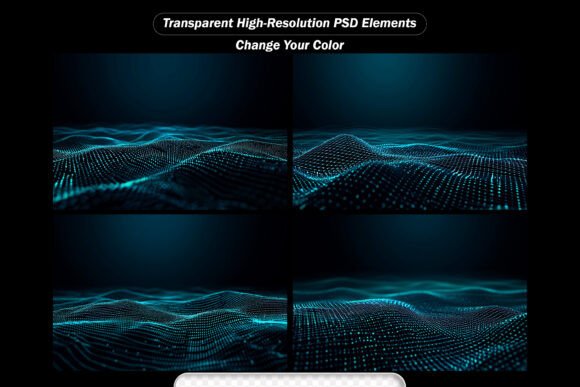
The Transparent Background with Flowing Part concept refers to the integration of semi-transparent layers that blend naturally with surrounding content. These elements can range from subtle gradients to dynamic light effects such as lens flares, fire bursts, glowing rays, twinkling stars, soft bokeh, radiant sparkles, and more. When used thoughtfully, these components can elevate the overall aesthetic of a project while maintaining a clean, professional look.
Why Transparent Background with Flowing Part Matters in Design
Design is not just about aesthetics—it’s also about communication. The right visual elements can convey emotion, build brand identity, and guide the viewer's attention. Transparent Background with Flowing Part plays a crucial role in achieving these goals by adding depth and dimension to otherwise flat or static compositions.
For instance, when designing a product image for an e-commerce platform, a subtle glow or lens flare can make the product stand out without overwhelming the viewer. Similarly, in branding materials, a flowing gradient or soft bokeh effect can create a sense of movement and energy, reinforcing the brand’s personality and values.
Moreover, the transparency aspect ensures that these effects do not overshadow the main content. Instead, they act as supporting elements that enhance rather than distract. This makes Transparent Background with Flowing Part particularly valuable in fields like photo editing, digital artwork, graphic design, and creative compositions where balance and clarity are paramount.
Strategic Use of Transparent Background with Flowing Part
While Transparent Background with Flowing Part offers immense potential, its effectiveness depends on how it is applied. It is not a one-size-fits-all solution but rather a versatile tool that requires thoughtful planning and execution.
Consider the context and purpose of your project before deciding which effects to incorporate. For example, a cinematic glow might be ideal for a film poster or promotional video, while a fiery intensity could work well in a marketing campaign targeting a bold, energetic audience. On the other hand, a magical sparkle may suit a children’s book illustration or a fantasy-themed website.
It’s also important to align these effects with your overall design goals. If you’re aiming to create a minimalist look, overly complex effects may detract from the simplicity. Conversely, if your goal is to evoke drama or excitement, then more dynamic and intense effects can be strategically placed to amplify the message.
Practical Applications Across Industries
Transparent Background with Flowing Part is not limited to any single industry. Its adaptability makes it a valuable asset across various domains:
- Photography: Enhancing photos with subtle light effects can add a professional touch, especially in portrait or product photography.
- Graphic Design: Whether it’s a logo, social media post, or website banner, the right effect can elevate the design and improve user engagement.
- Branding: Consistent use of Transparent Background with Flowing Part can help reinforce brand identity and create a cohesive visual language.
- Digital Art: Artists can use these effects to add realism, depth, or whimsy to their creations, making them more immersive and visually appealing.
- Education: In online learning platforms or instructional materials, these effects can be used to highlight key concepts or make content more engaging.
By understanding how these effects can support your specific objectives, you can ensure that Transparent Background with Flowing Part becomes a strategic component of your creative toolkit rather than a random addition.
Key Considerations Before Implementing Transparent Background with Flowing Part
Before incorporating Transparent Background with Flowing Part into your projects, there are several factors to consider:
First, always define clear goals. Ask yourself: What do I want to achieve with this effect? How does it contribute to the overall message or experience? Without a clear purpose, the effect may become redundant or even distracting.
Second, think about the target audience. Different groups respond to different types of visual stimuli. A young, tech-savvy audience might appreciate a more dynamic and colorful approach, while a professional or corporate audience may prefer subtler, more refined effects.
Third, assess the technical requirements. High-quality Transparent Background with Flowing Part often comes in formats like Photoshop PSD files or high-resolution JPEGs, which offer flexibility and customization. However, it’s important to ensure that these files are compatible with your software and workflow.
Lastly, consider the long-term value. Will this effect continue to serve your project over time, or will it quickly become outdated? Choosing effects that are timeless and adaptable can save you from frequent redesigns and unnecessary revisions.
Examples of Effective Use Cases
Let’s explore some real-world scenarios where Transparent Background with Flowing Part has been successfully implemented:
- Product Photography: A fashion brand used a soft bokeh effect behind a model to create a dreamy, ethereal atmosphere, drawing attention to the clothing while maintaining a clean, modern aesthetic.
- Website Design: A digital agency incorporated a subtle glow around their logo to make it stand out against a dark background, improving visibility and brand recognition.
- Marketing Campaigns: An event planner used a fiery burst effect in their promotional video to convey energy and excitement, aligning with the theme of a music festival.
- Instructional Content: An online course used twinkling stars as a background element during a night sky lesson, helping students visualize the topic and stay engaged.
These examples demonstrate how Transparent Background with Flowing Part can be tailored to meet specific needs, enhancing both functionality and visual appeal.
Risks of Misusing Transparent Background with Flowing Part
While Transparent Background with Flowing Part can be incredibly effective when used intentionally, there are risks associated with its misuse. Overuse or improper application can lead to visual clutter, reduced readability, and a loss of focus on the core content.
For instance, adding too many glowing rays or sparkles to a design can overwhelm the viewer and dilute the message. Similarly, using a highly saturated lens flare in a minimalist design can create an imbalance that detracts from the intended aesthetic.
Another risk is relying on Transparent Background with Flowing Part without considering the broader context of the project. Effects should complement the design, not dominate it. Failing to maintain this balance can result in a disjointed or unprofessional appearance.
Conclusion: Using Transparent Background with Flowing Part Intentionally
Ultimately, Transparent Background with Flowing Part is a powerful tool when used with intention and strategy. It offers a way to enhance visual storytelling, improve user engagement, and create more compelling designs. However, its success depends on careful planning, clear objectives, and a deep understanding of the audience and context.
By approaching Transparent Background with Flowing Part as a strategic element rather than a decorative flourish, designers and creators can unlock new levels of creativity and effectiveness in their work. With the right mindset and tools, such as professionally designed light effects in high-quality formats, anyone can bring their visions to life and take their projects to the next level.